For veterans who experience complex challenges, timely access to the right support can create an important turning point
South Australia has taken an important step towards improving outcomes for veterans, their families and the broader community, following the commencement of the South Australian Veterans Court Pilot at the Elizabeth Magistrates Court in Adelaide.
The Australian-first initiative is Australia’s first specialist therapeutic sentencing court for veterans, providing a pathway for eligible veterans who have come into contact with the justice system to access treatment, rehabilitation and other support before sentencing.
The court recognises that experiences related to military service and transition can contribute to complex challenges in civilian life. For some veterans, these challenges may affect their mental health, housing, relationships and connection to community.
The pilot has been shaped through collaboration between Veterans SA, the Magistrates Court of South Australia, the Department for Correctional Services, the Australian Government Department of Veterans’ Affairs, Open Arms – Veterans & Families Counselling, Defence Kidz, Andrew Russell Veteran Living and other veteran and community service organisations.
The initiative reflects a broader commitment to improving coordination across the systems that support veterans, consistent with the intent of recommendations from the Royal Commission into Defence and Veteran Suicide.
Veterans SA Director Bianca Wheeler said the pilot demonstrated the value of responding to these circumstances through understanding, accountability and coordinated support.
“South Australia’s veteran community is diverse, and we know there is no single pathway through life after service. For veterans who experience complex challenges, timely access to the right support can create an important turning point,” Ms Wheeler said.
“The Royal Commission into Defence and Veteran Suicide called for stronger coordination and earlier intervention across the systems that support veterans. The South Australian Veterans Court reflects that approach, creating a pathway that connects eligible veterans with the support they need while maintaining accountability through the justice process.”
Eligible participants can be connected with services and will return to court for regular reviews, allowing their engagement and progress to be considered as their matter moves towards sentencing.
The South Australian Veterans Court brings accountability and rehabilitation together. It recognises the unique nature of military service while giving eligible veterans the opportunity to address factors that may have contributed to their circumstances and take meaningful steps towards a more stable future.
Participation in the program does not reduce the seriousness of an offence or remove personal responsibility. Veterans must meet eligibility requirements, accept responsibility through appropriate guilty pleas and demonstrate a genuine willingness to engage in the process. Final sentencing decisions remain with the court.
“This Australian-first pilot also highlights what can be achieved when the justice system, government agencies and veteran organisations work together to improve outcomes for veterans, their families and the South Australian community,” Ms Wheeler said.
By connecting participants with organisations that understand military service and transition, the program aims to build stability, strengthen connections to family and community, and reduce factors that may contribute to further contact with the justice system.
Although the 12-month pilot has begun in one courtroom, it represents a broader commitment to supporting veterans through practical, collaborative and evidence-informed approaches.
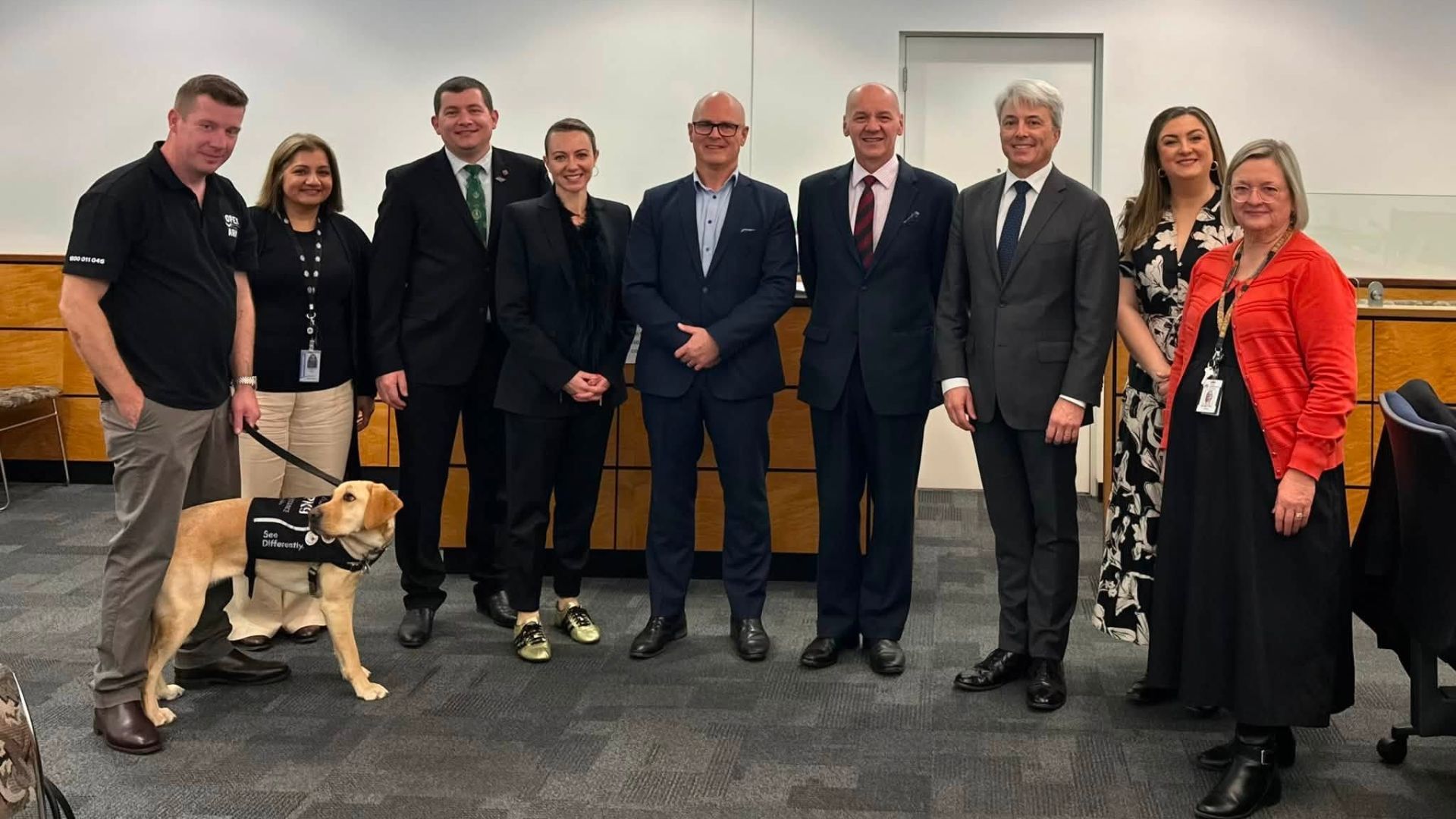
Photo: Representatives and supporters come together to mark the launch of South Australia’s first Veterans Court.