The VAC gives us a connection that is structured, sustained and sincere, and together, we're making sure that value is understood, acted on and built upon
On 7 May, the Minister’s Veterans’ Advisory Council (VAC) marked its 100th meeting – a milestone reflecting nearly two decades of advice, advocacy, collaboration and commitment to South Australia’s veteran community.
Established in April 2008, the VAC was created to promote the wellbeing of veterans and their families across South Australia, raising the profile of veterans’ issues through strategic advice to the Minister for Veterans’ Affairs and Veterans SA. That same year, South Australia became the first state to establish a dedicated veterans’ affairs portfolio with the creation of Veterans SA.
Since then, Veterans SA and the VAC have worked in partnership across government, industry and the veteran community to ensure veterans and their families are supported, represented and heard, reinforcing South Australia’s reputation as a national leader in veterans’ affairs.
As a non-statutory advisory body, the VAC acts as a conduit between the community and government, raising emerging issues and helping shape programs, services and decisions.
Membership is drawn from across the veteran sector, including representatives from the Royal Australian Navy, Australian Army and Royal Australian Air Force.
The foundation for a lasting legacy
Veterans SA inaugural Director Bill Denny AM, BM was instrumental in establishing the VAC. Reflecting on its early days and evolution, he said the Council was designed to be enduring and genuinely representative of the entire veteran community.
“When we established the VAC, the intent was to create something enduring – a truly representative structure where lived experience could directly inform government decision-making at the highest level,” Mr Denny said.
“In the early days, our focus was largely on older and often vulnerable veterans, particularly from the Second World War and Vietnam eras. Many needed practical, on-the-ground support, and ensuring their voices were heard in government was our primary concern.”
“At that time, Vietnam was effectively the most recent conflict shaping the community, and the contemporary veteran landscape was only just beginning to emerge.”
Mr Denny said the VAC’s focus has evolved significantly over the past two decades. With conflicts such as Iraq and Afghanistan, and growing recognition of the needs of serving members and families, the VAC’s role has expanded to reflect the full breadth of the community.
“Today, our catchment spans almost a century, from the youngest veteran aged 18 to the oldest aged 108. There are very few, if any, areas of government responsibility that cover such an extraordinary age range,” he said.
“It was critical from the outset that the Council be genuinely representative, ensuring even the most junior veteran could have their voice heard at the highest levels of government.”
“It was also essential that the VAC be seen as credible and authoritative. The calibre of its membership, including inaugural Chair Sir Eric Neal, ensured its advice was recognised as informed, independent, and worthy of serious consideration.”
The first of its kind in Australia, Mr Denny said other states quickly recognised the value of the model and adopted similar approaches, but South Australia led the way, and those foundations continue to shape the VAC today.
Stewards of today
VAC Chair Dr Miranda Van Hooff said the milestone reflects both the Council’s enduring purpose and its continued evolution.
An experienced research scientist and partner of a retired Navy officer, Dr Van Hooff brings both professional expertise and a strong personal connection to the role. She has spent more than 15 years researching the mental health and wellbeing of current and former ADF members and their families.
Since becoming Chair, she has guided the VAC through a period of significant activity, including engagement with personnel at RAAF Base Edinburgh and HMAS Encounter, and contributions to the national response to the Royal Commission into Defence and Veteran Suicide.
“The Council continues to build on Bill’s foundation – listening, adapting and focusing on the things that matter to veterans and their families,” Dr Van Hooff said.
“What makes the VAC genuinely effective is the passion and commitment of the Council members as well as the results-driven relationship we have with Veterans SA.”
“It’s built on trust, shared purpose and a real ‘can-do’ attitude. When the Council speaks, Veterans SA listens and acts. That’s what turns our advice into real outcomes for veterans and their families. As we mark 100 meetings, that’s what I’m most proud of,” she said.
The future built together
Veterans SA Director Bianca Wheeler has praised the strength and impact of South Australia’s veteran community as the VAC marks a major milestone.
“The veteran community in South Australia is an incredible asset,” Ms Wheeler said.
“The VAC gives us a connection that is structured, sustained and sincere, and together, we’re making sure that value is understood, acted on and built upon.”
“That partnership drives Veterans SA’s 2026 Action Plan. Four pillars, one purpose: jobs and skills; connection; honouring service; and research, data, and innovation,” she said.
From 2008 to its 100th meeting, the Veterans Advisory Council stands as proof of what experience, advocacy and community can achieve together in service of those who have served.
—
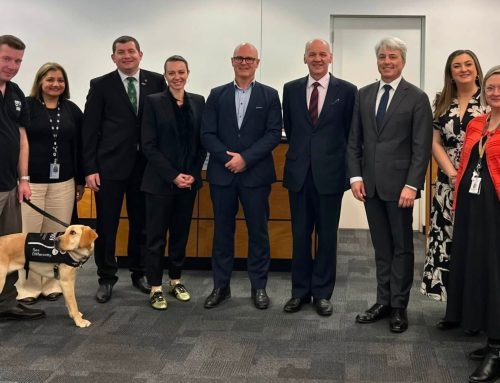
Photo: Veterans’ Advisory Council members celebrating their 100th meeting with Minister for Veterans’ Affairs, Chris Picton MP.